
Field notes for shipping AI software
Original frameworks, source-backed architecture notes, and product lessons from building agents, dashboards, RAG systems, and AI tools.

Latest essays
Written to be used: design patterns, checklists, and technical distinctions that help teams make better AI product decisions.
Is Your Website Ready for AI Agents?
Can an AI assistant tell a buyer whether your business can help? Check your service facts, access rules, and enquiry process with one real question.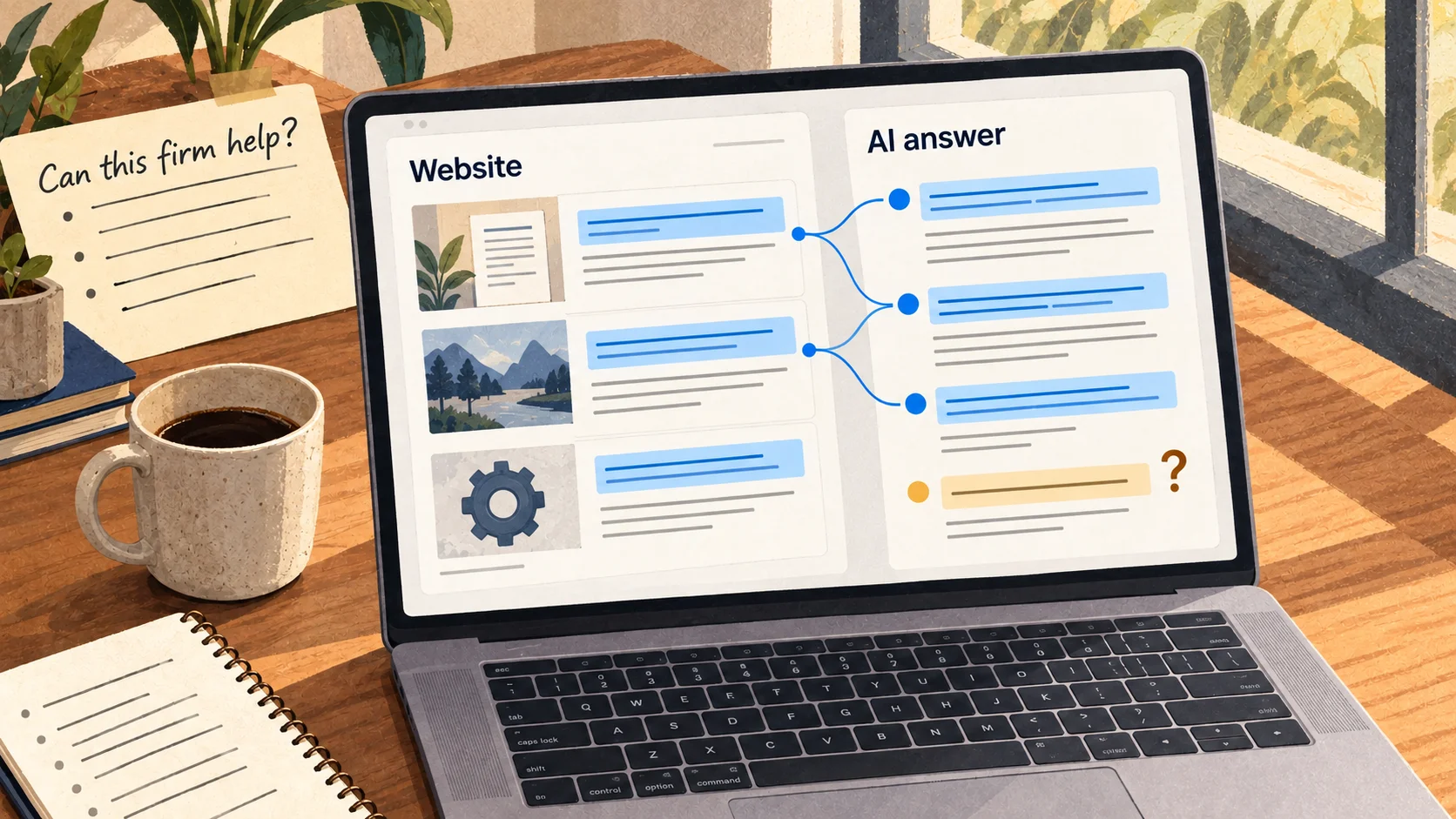
Durable AI Agents: What Must Survive a Crash?
An agent can remember the conversation and still repeat a completed action. Learn what durable execution must preserve, how to handle uncertain outcomes, and what to test before trusting recovery.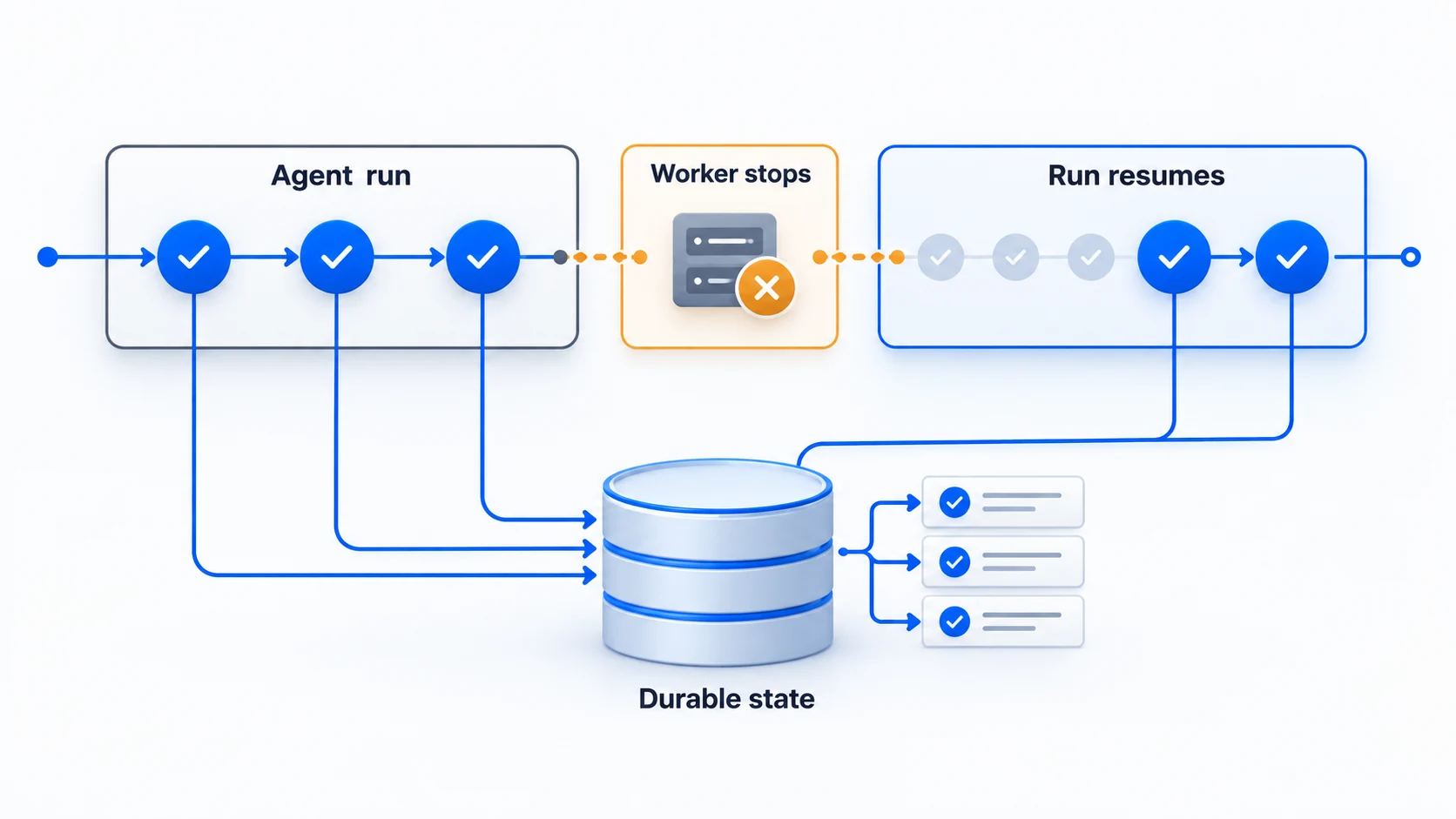
LLMOps for Document AI: How to Evaluate and Monitor Production Workflows
Evaluate document extraction with an original invoice example, runnable scoring script, and monitoring scorecard. Track the fields, evidence, and reviewer decisions that matter.
AI Product Development: From Workflow Opportunity to Production
A practical guide for business and product leaders turning a valuable workflow into an AI product that users can trust, operate, and improve.
MCP for AI Agents: The Data Layer That Turns Chatbots Into Operators
Useful AI agents need more than chat. MCP gives them a standard way to reach tools, live web data, databases, and governed workflows.
The Self-Improving AI Assistant: Why Memory Needs More Than Chat History
The best AI assistant will not just remember your chats. It will separate personal memory from source-backed world knowledge, then improve both over time.
Agentic Loops: When AI Agents Should Loop and When Humans Should Stay In Control
Agentic loops are useful when the feedback signal is explicit, bounded, and cheap to repeat. For product work, open-ended loops often waste tokens and make the wrong assumptions faster.
Editorial scope
What the blog covers
The SupaMakers blog documents practical choices involved in AI product development: how to narrow a workflow, structure agent state and tools, build reliable retrieval, evaluate failure, and decide when an experiment is ready for production work.
Articles distinguish first-hand product evidence from external research and link to primary technical or policy sources where they support a material claim. Related services, courses, and working products are included when they provide a concrete next step rather than a generic call to action.
Start with AI strategy to choose the workflow, AI development to test the product boundary, or AI engineering for the operating system around the model. Our editorial policy explains authorship, sourcing, updates, AI assistance, and corrections.